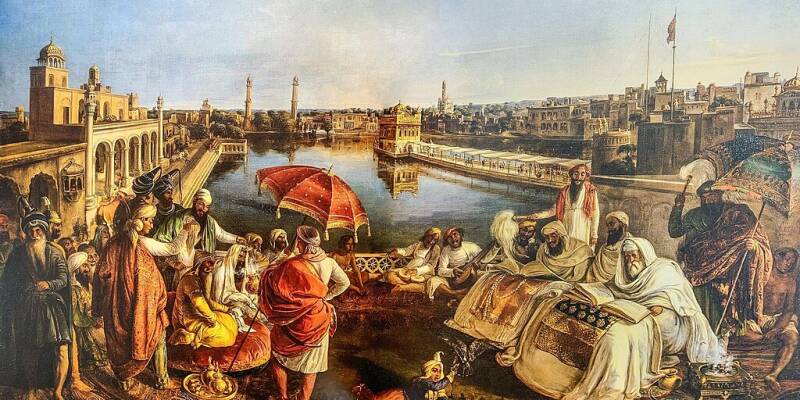
Sikhism
Founded by Sat Guru Nanak - Saint Sychar
Also known as Saintt Nicholas - SantaClaus - Vaaali
Gompa-k Bhai - Saint Jacobs - Nanajing - Naniking
Is real - Sat Gur Nanak - Ras Truth - King of Kings
Khaalsa
Founded by The 10th Sikh Guru
Thanks to the 10th Saint Sychar Guru Gobind Singh ji Maharaj
&
The Great KhaalSa Sikh Warriors
Thanks to thier service & sacrifice
We present the Nitnam 5 Panaja Bani-eh ah the Patt.
These heroic brave warriors died by the hundreds of thousands
So we could have Guru Nanak's Bible here today!
The 5 Nations Bible
The Miniature Bible
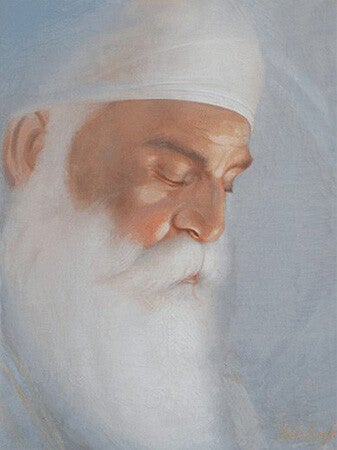
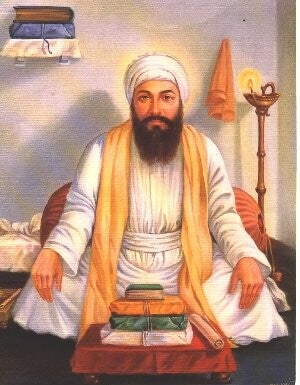
Guru Angad Dev Ji (Gurmukhi: ਗੁਰੂ ਅੰਗਦ ਦੇਵ ਜੀ) (Thursday March 31, 1504 - Saturday April 16, 1552), Nanak II, was the second of the ten human form Gurus (divine messengers) of the Sikh faith.
Guru Ji was born with birth name Lehna in the year 1504 at Matte Di Sarai
Our story
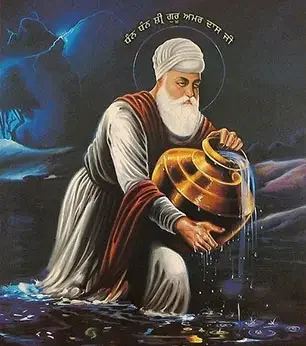
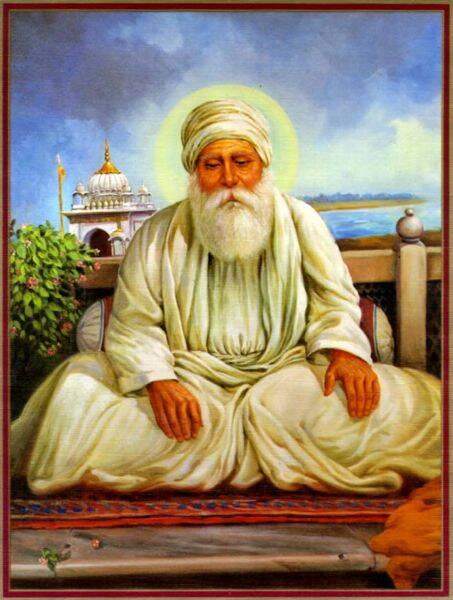
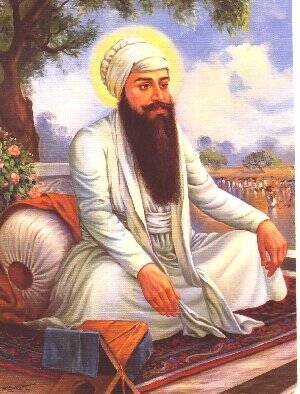
Guru Amar Das Sahib Ji (Gurmukhi: ਗੁਰੂ ਅਮਰ ਦਾਸ) (Sunday 23 May, 1479 - Thursday 16 September, 1574), Nanak III, was the third of the Ten Gurus of Sikhism and became Guru on Saturday, 16 April, 1552 at the age of 73, following the footsteps of Sri Guru Angad Dev Sahib ji, who left for his heavenly abode on 29 March, 1552, aged 48.
Our history
From modest beginnings, we've grown through unwavering dedication and a commitment to continuous improvement. Each step has reinforced our core belief in the power of collaboration and the importance of integrity. We're passionate about what we do, and we're excited to share our story with you.
Our story
Guru Arjan Dev Ji (Gurmukhi: ਗੁਰੂ ਅਰਜੁਨ ਦੇਵ) (Sunday May 2 1563 - Monday June 16 1606) was the fifth of the Ten Gurus of Sikhism who became Guru on 16 September, 1581, following the footsteps of Guru Ram Das Ji. He was born in Goindval, Punjab.
Our history
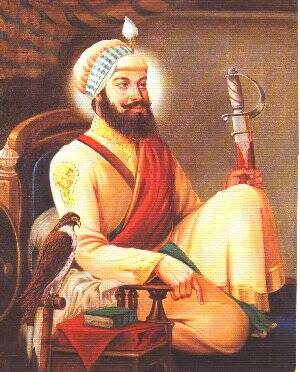
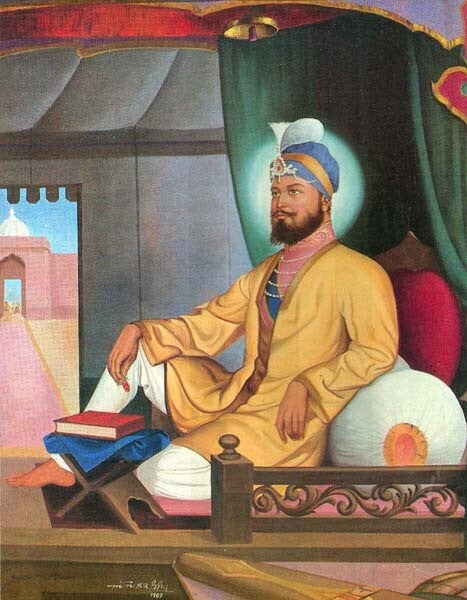
Guru HarGobind Ji (Gurmukhi: ਗੁਰੂ ਹਰਿ ਗੋਬਿੰਦ) (Monday, 19 June, 1595 - Tuesday, March 19, 1644) was the sixth of the Ten Gurus of Sikhism. He became Guru on the 11 of June, 1606, following the footsteps of his father, Guru Arjan Dev Ji. While the ceremonial rites were being performed by Baba Buddha Ji, Guru HarGobind Ji asked Baba Buddha Ji to adorn him with a sword rather than the Seli of Guru Nanak Dev Ji which had been used previously by the earlier Gurus.
Guru HarGobind Ji then put on not one, but two swords; one on his left side and the other on his right. He named one "Miri," representing Temporal Power, and the other "Piri," representing Spiritual Power, one to smite the oppressor and the other to protect the innocent. He told his followers: "In the Guru's house, spiritual and mundane powers shall be combined. My rosary shall be the sword-belt and on my turban I shall wear a Kalgi" (The Kalgi was an ornament for the turban which was worn by the Mughal and Hindu rulers of the era).
Guru HarGobind Ji carried the same light of Guru Nanak Dev Ji, and he added to it the luster of the sword. Guru HarGobind Ji was also the inventor of the Taus. When watching a peacock singing one day, the Guru wished to make an instrument to mimic the sound of the peacock, thus creating the Taus.
About us
Guru Har Rai Ji (Gurmukhi: ਗੁਰੂ ਹਰਿ ਰਾਇ) (31 January 1630 - 20 October 1661) was the seventh of the Ten Gurus of Sikhism and became Guru on Tuesday, 19 March, 1644 following the footsteps of his grandfather, Guru Har Gobind Ji. Before Guru Ji died, he nominated Guru Har Krishan Ji, his son, as the next Guru of the Sikhs.
Our story
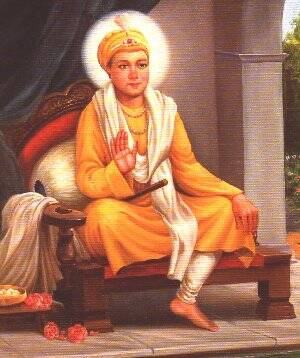
Sri Guru Har Krishan Sahib Ji (Gurmukhi: ਗੁਰੂ ਹਰਿ ਕ੍ਰਿਸ਼ਨ) (Wednesday, 23 July 1656 - Saturday, 16 April 1664) was the eighth of the Ten human form Gurus (divine messengers) of Sikhism. He was the second son of the seventh Guru, Sri Guru Har Rai Sahib Ji and Mata Krishan Kaur Ji (Sulakhni Ji). Before passing away in 1661, Guru Har Rai Sahib Ji had declared that his younger son Har Krishan, would be the next Sikh Guru. Thus, Har Krishan Sahib ascended to the throne of Guruship on Sunday, 20 October 1661, at the young age of five years.
Our history
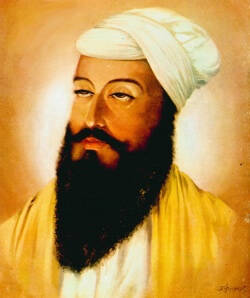
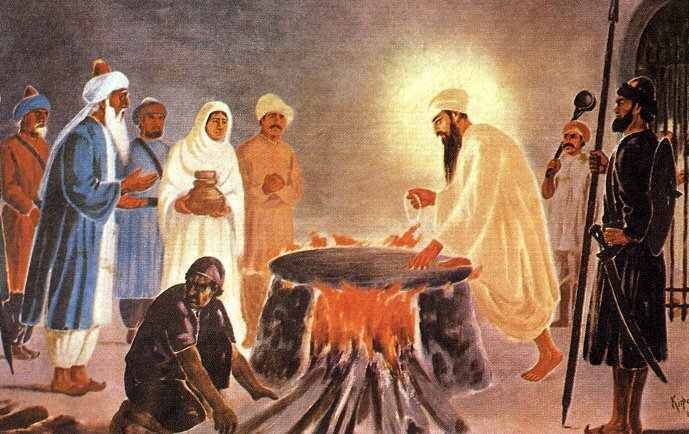
Guru Tegh Bahadur Ji (Gurmukhi: ਗੁਰੂ ਤੇਗ਼ ਬਹਾਦੁਰ) (Wednesday, April 18, 1621 - Wednesday, November 24, 1675), revered by the Sikhs as Srisht-di-Chadar (Protector of humanity), was the ninth of the Ten Gurus of Sikhism. He had become Guru on 16 April, 1664, following the footsteps of his grand-nephew and the eighth Guru, Guru Har Krishan Ji.
A poet, a thinker, and a warrior, Guru Teg Bahadur Ji carried forward the light of sanctity and divinity of Guru Nanak Dev Ji and the subsequent Sikh Gurus. His spiritual writings, detailing varied themes such as, the nature of God, human attachments, body, mind, sorrow, dignity, service, death, and deliverance, are registered in the form of 116 poetic hymns in the sacred scripture, the Sri Guru Granth Sahib Ji. To spread the message of Sikhism, the Guru traveled extensively through the Indian subcontinent, setting up several new preaching centers. He founded the town of Chak-Nanki in Punjab, later enlarged by the tenth Nanak, Guru Gobind Singh Ji, into the city of Sri Anandpur Sahib.
In May 1675, Guru Tegh Bahadur Ji was approached by Hindu Pandits from the Kashmir region, seeking the Guru's intercession against the forced conversions of Hindus to Islam by the Mughal rulers of India. For supporting the Hindu Pandits by resisting these forced conversions, and for himself refusing to convert to Islam, Guru Teg Bahadur Ji was publicly executed via beheading at the imperial capital of Delhi on the orders of Emperor Aurangzeb. Today, Gurdwara Sis Ganj Sahib and Gurdwara Rakab Ganj Sahib stand at the sites of beheading and cremation of Guru Ji’s body. Along with Guru Teg Bahadur Ji, three other Sikhs, Bhai Mati Das, Bhai Sati Das, and Bhai Dyal Das, were also executed.
On Guru Teg Bahadur Ji’s supreme sacrifice to champion fundamental human rights for all, his son, the tenth Nanak, Guru Gobind Singh Ji, wrote:
Thheekar forh dilees sir, Prabh pur keeaa payaan,
Teg Bahadur see kirya, karee na kinahoo aan.
Teg Bahaadur ke chalat, bhayo jagat ko sok,
Hai hai hai sabh jag bhayo, jai jai jai sur lok.
Casting off his bodily vesture on the head of Suzerain Of Delhi; Teg Bahadur departed to the Realm of God.
None who came into the world performed such glorious deeds as him.
On his departure, there was dismay in the world.
This world cried, "Alas, Alas". The Heavens rang with greetings of victory.
(Guru Gobind Singh)
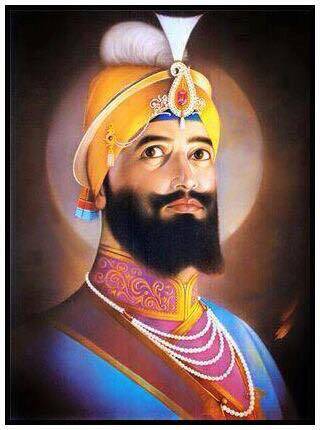
Guru Gobind Singh Ji (Gurmukhi: ਗੁਰੂ ਗੋਬਿੰਦ ਸਿੰਘ) (January 5, 16671 - 21 October, 1708), born "Gobind Das" at Patna Sahib, Bihar, India, was the tenth and last of the human form Gurus of Sikhism. He became Guru on November 24, 1675 at the age of nine, following the martyrdom of his father, the ninth Guru, Guru Tegh Bahadur Ji.
A divine messenger, a warrior, a poet, and a philosopher, Guru Gobind Singh Ji molded the Sikh religion into its present shape, with the institution of the Khalsa fraternity, and the completion of the sacred scripture, the Guru Granth Sahib Ji, in the final form that we find today. Before leaving his mortal body in 1708, Guru Gobind Singh decreed the Guru Granth Sahib Ji as the next and perpetual Guru of the Sikhs.
It may not be out of context to consider that throughout the chronicles of human history, there has been no individual who lived a life more inspirational than Guru Gobind Singh Ji. He is variously revered as Sarbans Dani (the merciful donor, who sacrificed his all), Mard Agamra (man without any parallels), Shah-e-Shahenshah (emperor of emperors), Bar do Alam Shah (ruler of both worlds), amongst others.
"If we consider the work which (Guru) Gobind (Singh) accomplished, both in reforming his religion and instituting a new code of law for his followers, his personal bravery under all circumstances; his persevering endurance amidst difficulties, which would have disheartened others and overwhelmed them in inextricable distress, and lastly his final victory over his powerful enemies by the very men who had previously forsaken him, we need not be surprised that the Sikhs venerate his memory. He was undoubtedly a great man." (W, L. McGregor)
It is said that after the martyrdom of his father, Guru Tegh Bahadur, the tenth Master declared that he would create such a Panth (community/society), which would challenge the tyrant rulers in every walk of life to restore justice, equality and peace for all of mankind. Via institution of the Khalsa in 1699, Guru Gobind Singh Ji infused the dual spirit of a saint and a soldier in the minds and hearts of his followers to fight oppression in order to restore righteousness (Dharma) and to uplift the down-trodden people in this world.
As a prophet, the Guru is unique. His teachings are very scientific and most suitable for all times. Unlike many other prophets he never called himself God or 'the only son of God.' Instead he called all people the sons of God sharing His Kingdom equally. For himself he used the word 'slave' or servant of God.
"Those who call me God, will fall into the deep pit of hell. Regard me as one of his slaves and have no doubt whatever about it. I am a servant of the Supreme Being; and have come to behold the wonderful drama of life."
Extracts from Guru Gobind Singh's writings;
"God has no marks, no colour, no caste, and no ancestors, No form, no complexion, no outline, no costume and is indescribable.
He is fearless, luminous and measureless in might. He is the king of kings, the Lord of the prophets.
He is the sovereign of the universe, gods, men and demons. The woods and dales sing the indescribable.
O Lord, none can tell Thy names. The wise count your blessings to coin your names." (Jaap Sahib)

Meaning of Sikhism
Sikhs (Gurmukhi: ਸਿੱਖ, romanized: Sikkh, Punjabi pronunciation: [sɪkkʰ])[d] are an ethnoreligious group, and stateless nation. They are traditionally followers of Sikhism, a religion that originated in the late 15th century in the Punjab region of the Indian subcontinent, based on the teachings of Guru Nanak. The term Sikh has its origin in the Sanskrit word śiṣya, meaning 'seeker', 'disciple' or 'student'.[e]